
Business challenge
An archaeologically
significant site
isolated from the
city, disconnected
from public life
and surrounded by
degraded urban
space
Bottleneck
identified
Heritage protection
often generates
enclosed and
inactive spaces with
little relationship
to the surrounding
urban fabric
Strategic approach
Transform the
archaeological site
from an isolated
enclosure into an
active extension of
the public park
Implementation
Reversing the
access strategy,
removing the
perimeter barrier
and integrating
archaeology,
landscape and
public circulation
into a single system
Outcome
By reversing the
access strategy,
removing the
perimeter barrier
and integrating
archaeology,
landscape and
public circulation
into a single system
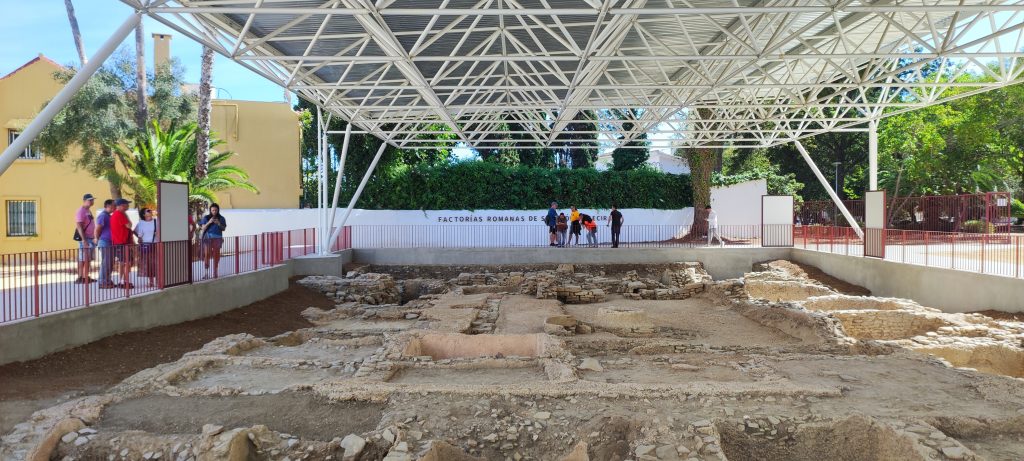
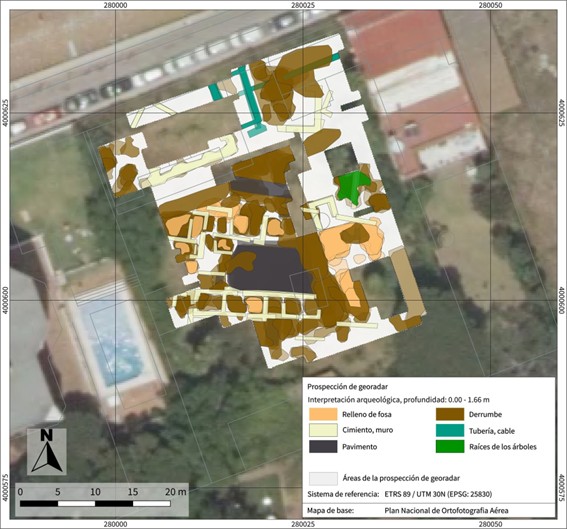
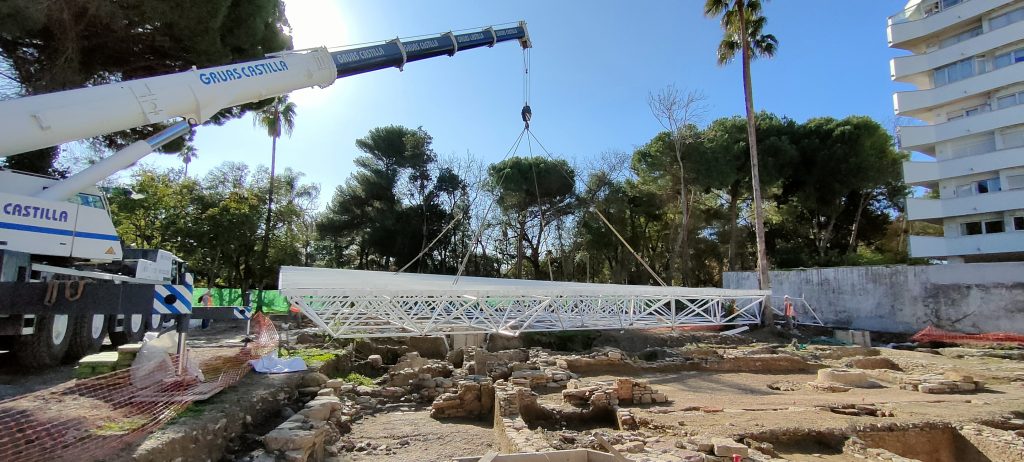
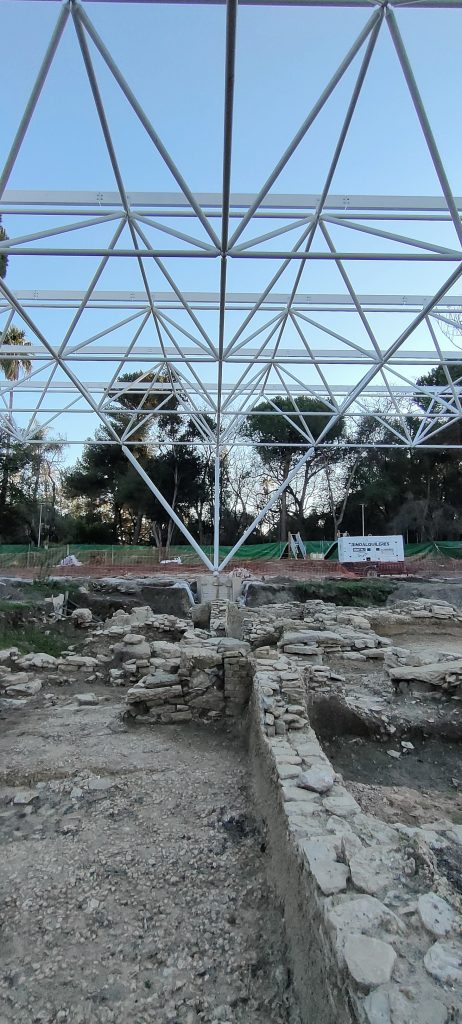
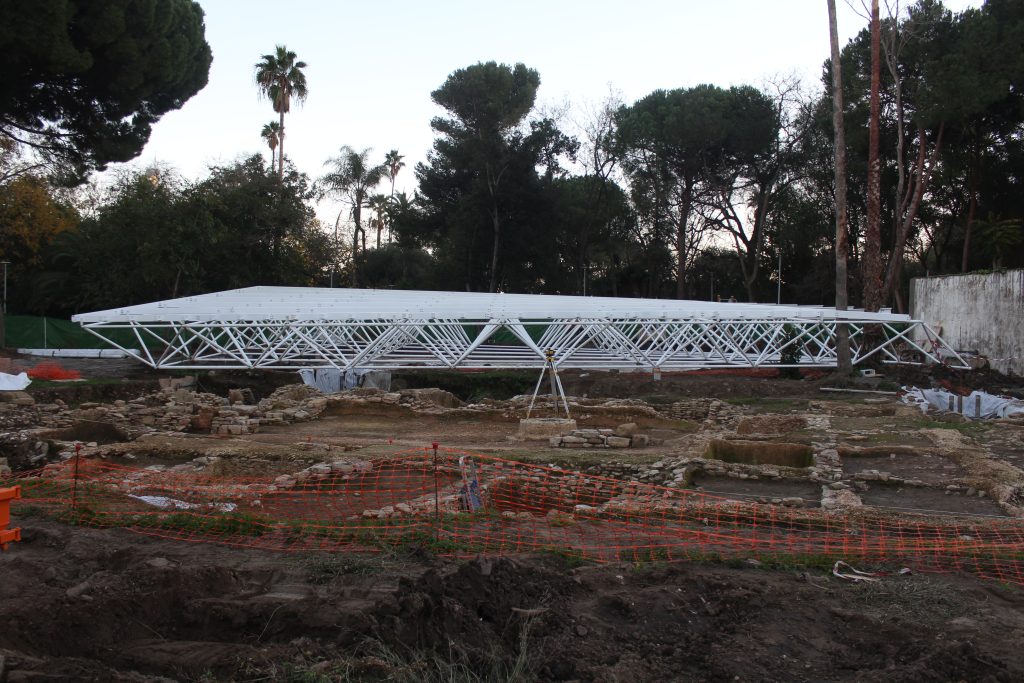
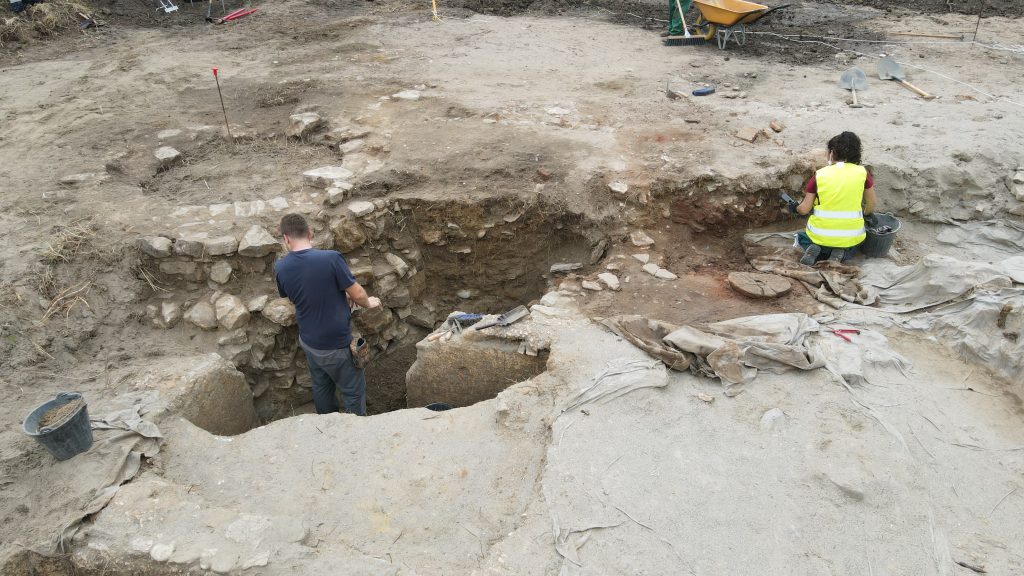
The project emerged after the discovery of the archaeological remains by the research team from the
University of Cádiz, led by Rafael Jiménez-Camino and Darío Bernal, preventing the site from being replaced
by a residential tower similar to the adjacent development
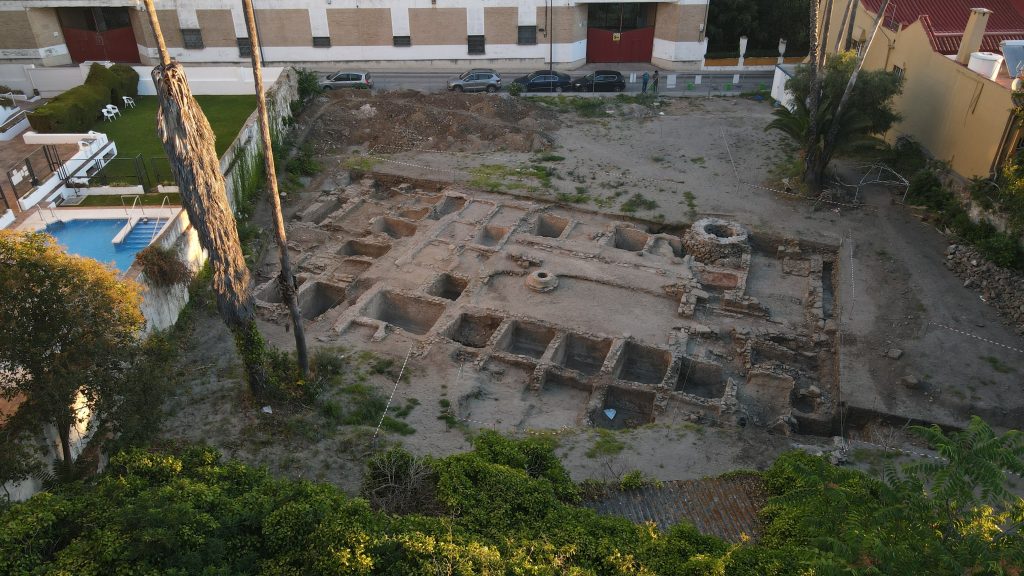
Despite its historical significance, the archaeological site remained isolated behind a perimeter wall,
disconnected from the city and accessed only through a narrow secondary street with little public presence.
At the same time, the adjacent Acacias Park had become a neglected and underused public space with little
relationship to the surrounding neighbourhood
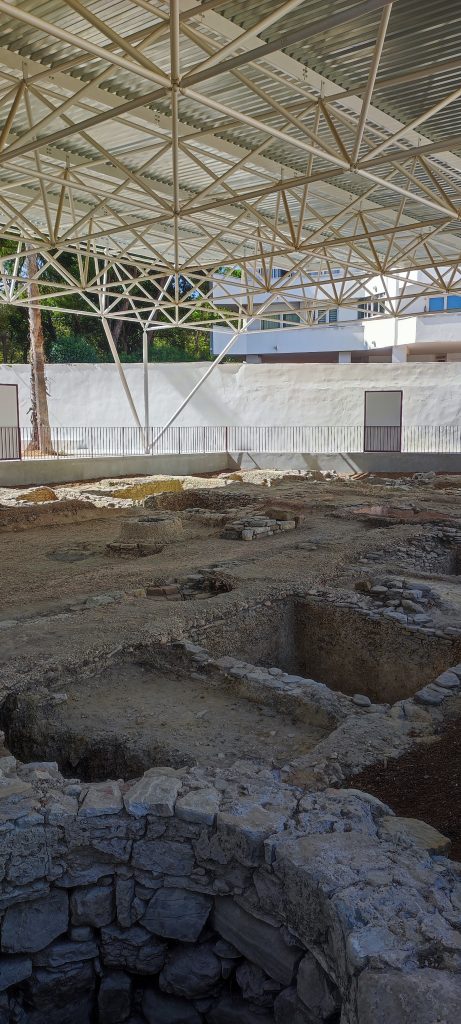
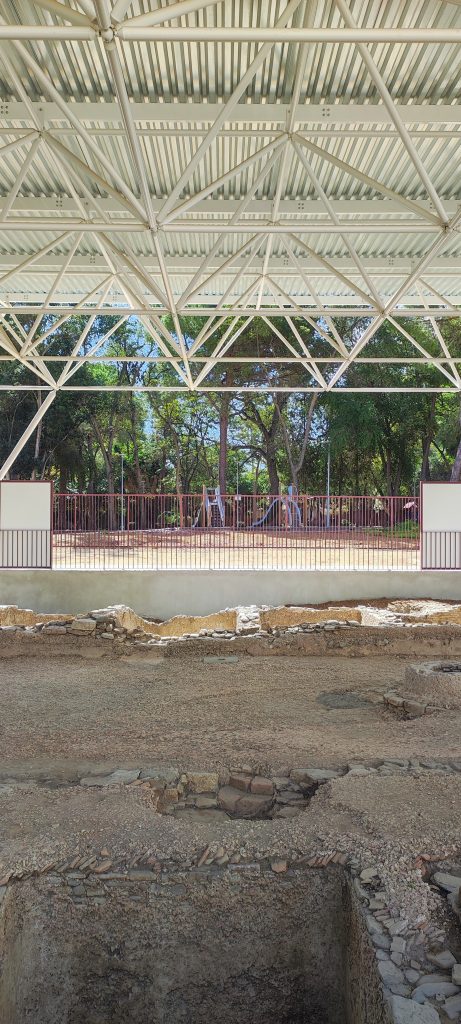
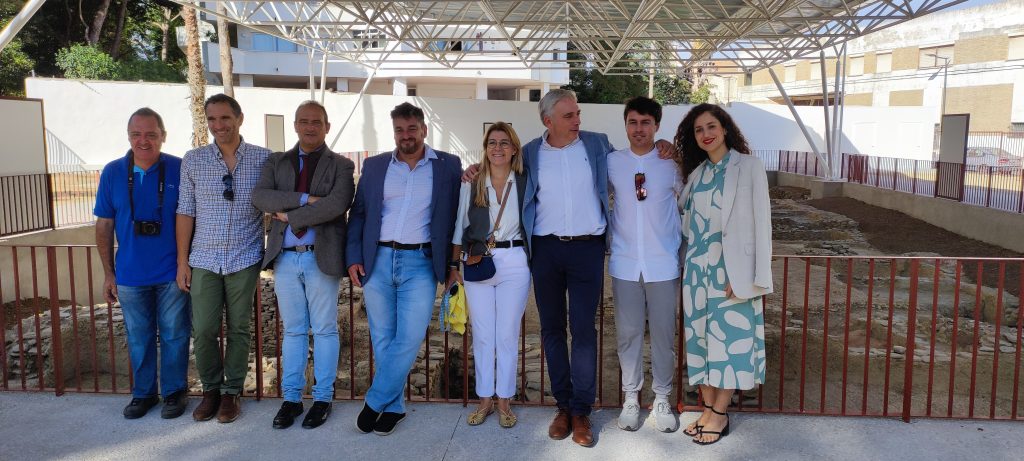
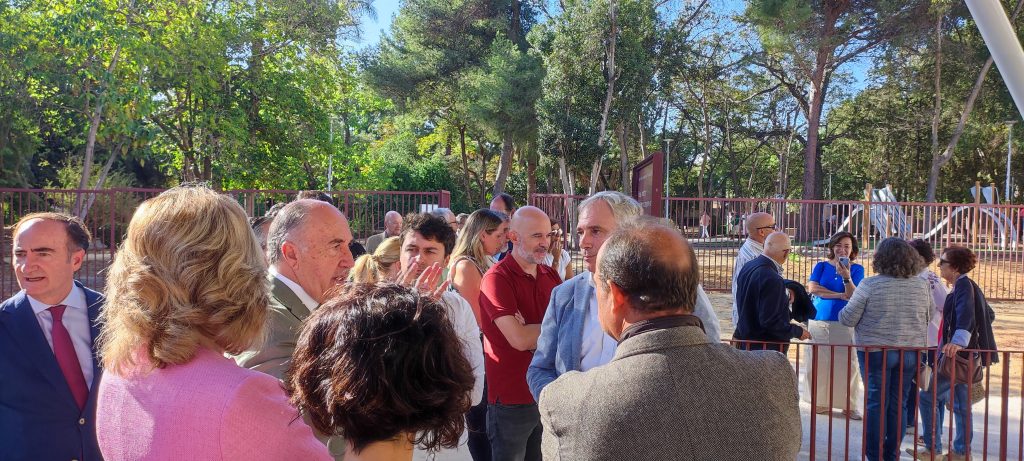
The proposal completely reverses the logic of access and urban integration.Rather than treating the site as an isolated archaeological enclosure, the intervention removes the existing
wall and transforms the park into the main entrance and public interface of the project, while San Nicolás
Street becomes a secondary technical access for archaeological maintenance and operational use.
This strategic inversion integrates the archaeological site into the daily life of the park, allowing heritage,
landscape and public space to operate as a single civic system capable of revitalising the surrounding urban
environment
TEAM
Alejandro Costa. Diseño y Dirección de Obra
Nora Van Pelt. Delineación y levantamiento de planos
Juan Manuel Casado. Dirección de ejecución y Licencia
de Actividad
Juan Manuel Casado Gallán. Licencia de Actividad
Proinstalia. Instalación eléctrica
Climatiza. Clima y ventilación
FOTOGRAFÍA
Love Ladrillo
| Cookie | Duración | Descripción |
|---|---|---|
| cookielawinfo-checkbox-analytics | 11 meses | Este cookie é definido pelo plugin GDPR Cookie Consent. O cookie é utilizado para armazenar o consentimento do utilizador para os cookies na categoria "Analítica". |
| cookielawinfo-checkbox-functional | 11 meses | O cookie é definido pelo consentimento do cookie da GDPR para registar o consentimento do utilizador para os cookies na categoria "Funcionales". |
| cookielawinfo-checkbox-necessary | 11 meses | Este cookie é definido pelo plugin GDPR Cookie Consent. Os cookies são utilizados para armazenar o consentimento do utilizador para os cookies na categoria "Necessárias". |
| cookielawinfo-checkbox-others | 11 meses | Este cookie é definido pelo plugin GDPR Cookie Consent. O cookie é utilizado para armazenar o consentimento do utilizador para os cookies na categoria "Outras". |
| cookielawinfo-checkbox-performance | 11 meses | Este cookie é definido pelo plugin GDPR Cookie Consent. O cookie é utilizado para armazenar o consentimento do utilizador para os cookies na categoria "Rendimiento". |
| viewed_cookie_policy | 11 meses | O cookie é definido pelo plugin GDPR Cookie Consent e é utilizado para armazenar se o utilizador consentiu ou não a utilização de cookies. Não armazena quaisquer dados pessoais. |
